

Global Trade Logistics Trends: Supply Chain Resilience and Digital Transformation





Ad Spot Availabe




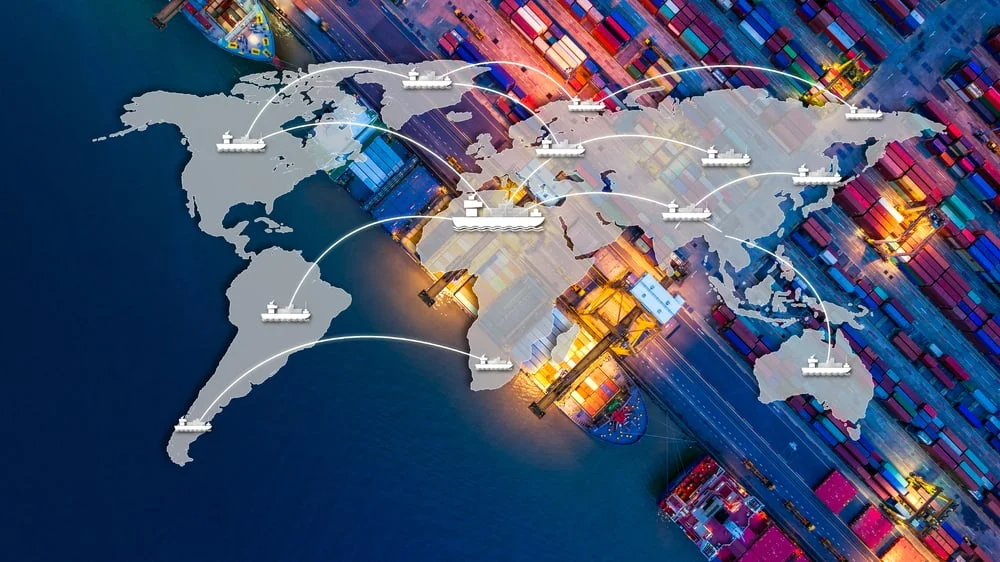
(img=aduploads/image1_68c3d70742d6a.png)Global logistics companies implement comprehensive digital systems(/img) that provide real-time visibility and predictive analytics while improving operational efficiency and customer service.
(b)(link=https://jobserver.ai/company?id=66)UPS(/link)(/b) processes over 24 million packages daily through AI-powered logistics networks while providing customers with precise delivery predictions and supply chain optimization services.
(b)(link=https://jobserver.ai/company?id=44)Schlumberger(/link)(/b) applies advanced analytics and digital technologies to optimize global supply chains while serving energy and industrial customers across complex international operations.
(b)(link=https://jobserver.ai/company?id=64)Chevron(/link)(/b) manages global supply chains for energy products while implementing digital technologies that improve operational efficiency and reduce environmental impact.
These companies demonstrate how digital transformation enables supply chain optimization while building resilience against disruption and improving customer service quality.
(h2)Automated Warehousing and Fulfillment Centers(/h2)
(h3)Robotic Systems and AI-Powered Operations(/h3)
UPS implements automated sorting systems and robotic fulfillment while processing packages more efficiently and reducing labor costs through advanced warehouse automation technologies.
Warehouse automation improves efficiency while reducing errors and enabling faster processing that meets growing e-commerce demand and customer expectations for rapid delivery.
(h3)Predictive Maintenance and Equipment Optimization(/h3)
Schlumberger uses predictive analytics while optimizing equipment performance and reducing downtime through proactive maintenance that prevents costly equipment failures and service disruptions.
Predictive maintenance reduces costs while improving reliability through data-driven maintenance schedules that prevent equipment failures and optimize asset utilization.
(hrr)
(h2)Last-Mile Delivery Innovation(/h2)
(h3)Alternative Delivery Methods and Customer Choice(/h3)
(img=aduploads/image2_68c3d70743513.jpg)UPS provides multiple delivery options(/img) including pickup locations, scheduled delivery windows, and contactless delivery while accommodating diverse customer preferences and lifestyle needs.
Delivery flexibility improves customer satisfaction while reducing costs through consolidated delivery options and customer self-service capabilities that optimize delivery efficiency.
(h3)Urban Logistics and Sustainable Transportation(/h3)
Logistics companies implement electric delivery vehicles and optimized routing while reducing urban emissions and addressing environmental concerns about freight transportation in cities.
#SustainableLogistics addresses environmental concerns while maintaining service quality through clean transportation and efficient routing that reduces both emissions and operational costs.
(h2)International Trade Facilitation and Customs Automation(/h2)
(h3)Digital Documentation and Blockchain Verification(/h3)
Chevron implements digital documentation systems while streamlining international trade processes and reducing paperwork through blockchain verification and automated customs clearance.
Digital trade documentation reduces delays while improving accuracy through automated systems that eliminate manual processing errors and accelerate customs clearance.
(h3)Trade Finance and Supply Chain Financing(/h3)
Global logistics companies provide supply chain financing while enabling faster international trade through financial services that support supplier relationships and cash flow management.
Trade finance improves supply chain efficiency while enabling smoother international commerce through financing solutions that address cash flow challenges in global trade.
(h2)Risk Management and Supply Chain Resilience(/h2)
(h3)Geopolitical Risk Assessment and Route Diversification(/h3)
Schlumberger manages geopolitical risks while diversifying supply routes and maintaining operational continuity despite political instability and trade disputes that affect international commerce.
Risk diversification ensures business continuity while reducing dependence on single suppliers or routes that could create vulnerabilities during political or economic disruptions.
(h3)Business Continuity Planning and Disaster Recovery(/h3)
Logistics companies develop comprehensive contingency plans while maintaining service reliability during natural disasters, labor strikes, and
other disruptions that could affect operations.
Business continuity planning ensures service reliability while building customer confidence through demonstrated ability to maintain operations during challenging circumstances.
(h2)Environmental Sustainability and Carbon Reduction(/h2)
(h3)Carbon Footprint Measurement and Reduction Initiatives(/h3)
Chevron implements carbon reduction programs while measuring and reporting emissions throughout supply chain operations and implementing efficiency improvements that reduce environmental impact.
Carbon management creates competitive advantages while addressing regulatory requirements and customer expectations for environmental responsibility in logistics operations.
(h3)Circular Economy Integration and Waste Reduction(/h3)
Logistics companies implement circular economy principles while reducing waste through packaging optimization, route efficiency, and reverse logistics that recover value from waste streams.
Circular logistics create additional revenue while supporting environmental goals through waste reduction and resource recovery that benefits both business performance and environmental outcomes.
(h2)Technology Integration and Data Analytics(/h2)
(h3)Internet of Things and Real-Time Monitoring(/h3)
UPS uses IoT sensors while monitoring shipment conditions and providing real-time tracking that enables proactive problem resolution and improves customer communication about delivery status.
IoT integration provides visibility while enabling proactive management through real-time data that guides operational decisions and customer communication about shipment status.
(h3)Machine Learning and Route Optimization(/h3)
Advanced algorithms optimize delivery routes while reducing fuel consumption and improving delivery efficiency through dynamic routing that adapts to traffic conditions and delivery priorities.
#RouteOptimization reduces costs while improving service through intelligent routing that minimizes travel time and fuel consumption while maximizing delivery efficiency.
(h2)Cold Chain and Specialized Logistics(/h2)
(h3)Temperature-Controlled Transportation and Monitoring(/h3)
Specialized logistics handle temperature-sensitive products while maintaining product integrity through advanced monitoring systems and controlled transportation that ensures quality and safety.
Cold chain expertise ensures product quality while meeting regulatory requirements for pharmaceuticals, food, and other temperature-sensitive products that require specialized handling.
(h3)Pharmaceutical and Healthcare Logistics(/h3)
Healthcare logistics require specialized capabilities while ensuring regulatory compliance and product integrity throughout distribution processes that serve critical healthcare needs.
Healthcare logistics provide essential services while ensuring product safety and regulatory compliance that protects patient health and meets strict quality standards.
(h2)E-commerce Growth and Fulfillment Services(/h2)
(h3)Omnichannel Fulfillment and Retail Integration(/h3)
Logistics companies provide comprehensive fulfillment services while enabling retailers to serve customers through multiple channels including online, mobile, and physical store pickup.
Omnichannel integration improves customer service while optimizing inventory utilization through flexible fulfillment that serves customers through their preferred channels.
(h3)Returns Management and Reverse Logistics(/h3)
E-commerce growth requires efficient returns processing while managing reverse logistics that handle product returns, exchanges, and refurbishment that maintain customer satisfaction.
Returns management creates customer loyalty while recovering value through efficient processing that enables product resale and reduces waste in e-commerce operations.
(h2)Global Trade Policy and Regulatory Compliance(/h2)
(h3)Trade Agreement Navigation and Compliance Management(/h3)
Schlumberger navigates complex international trade agreements while ensuring compliance with evolving regulations that affect global supply chain operations and market access.
Regulatory expertise enables global operations while ensuring compliance with trade policies that affect international commerce and supply chain management across multiple jurisdictions.
(h3)Customs Modernization and Digital Trade Facilitation(/h3)
Logistics companies work with customs agencies while implementing digital systems that streamline border processes and reduce trade friction through automated clearance systems.
Customs modernization improves trade efficiency while reducing delays through digital processing that accelerates border clearance and reduces administrative burden.
(h2)Innovation in Logistics Technology(/h2)
(h3)Autonomous Vehicles and Drone Delivery(/h3)
Logistics companies explore autonomous delivery while testing drones and self-driving vehicles that could reduce costs and expand delivery capabilities in specific applications.
Autonomous technology creates future opportunities while addressing driver shortages and reducing delivery costs through automated transportation that operates continuously.
(h3)Artificial Intelligence and Predictive Analytics(/h3)
AI systems optimize logistics operations while predicting demand patterns and identifying efficiency opportunities that improve service quality and reduce operational costs.
AI optimization improves performance while reducing costs through intelligent systems that analyze vast amounts of data and optimize operations for maximum efficiency.
(h2)Customer Experience and Service Excellence(/h2)
(h3)Real-Time Communication and Proactive Updates(/h3)
Logistics providers offer comprehensive tracking while providing proactive communication about delivery status and potential delays that keeps customers informed throughout shipping processes.
Communication excellence builds customer loyalty while reducing service calls through proactive updates that keep customers informed about shipment status and delivery schedules.
(h3)Flexible Delivery Options and Customer Control(/h3)
Advanced logistics services provide customers with delivery scheduling control while accommodating busy lifestyles through flexible options that meet individual preferences and schedules.
#CustomerCentric services improve satisfaction while reducing failed deliveries through flexible scheduling that accommodates customer preferences and availability for delivery acceptance.
(hrr)
(i)(link=https://www.globaltrademag.com/7-ways-digital-tools-are-transforming-supply-chain-resilience/)Global trade logistics(/link) transformation creates competitive advantages through digital technology, sustainable practices, and resilient supply chains that address changing consumer demands while managing geopolitical and environmental challenges.(/i)



Category:
Other
Region:
Australia
Author:
blog@Jobserver.ai
Ad link: