

Space Technology Commercialization: Satellite Innovation and Aerospace Industry Growth





Ad Spot Availabe




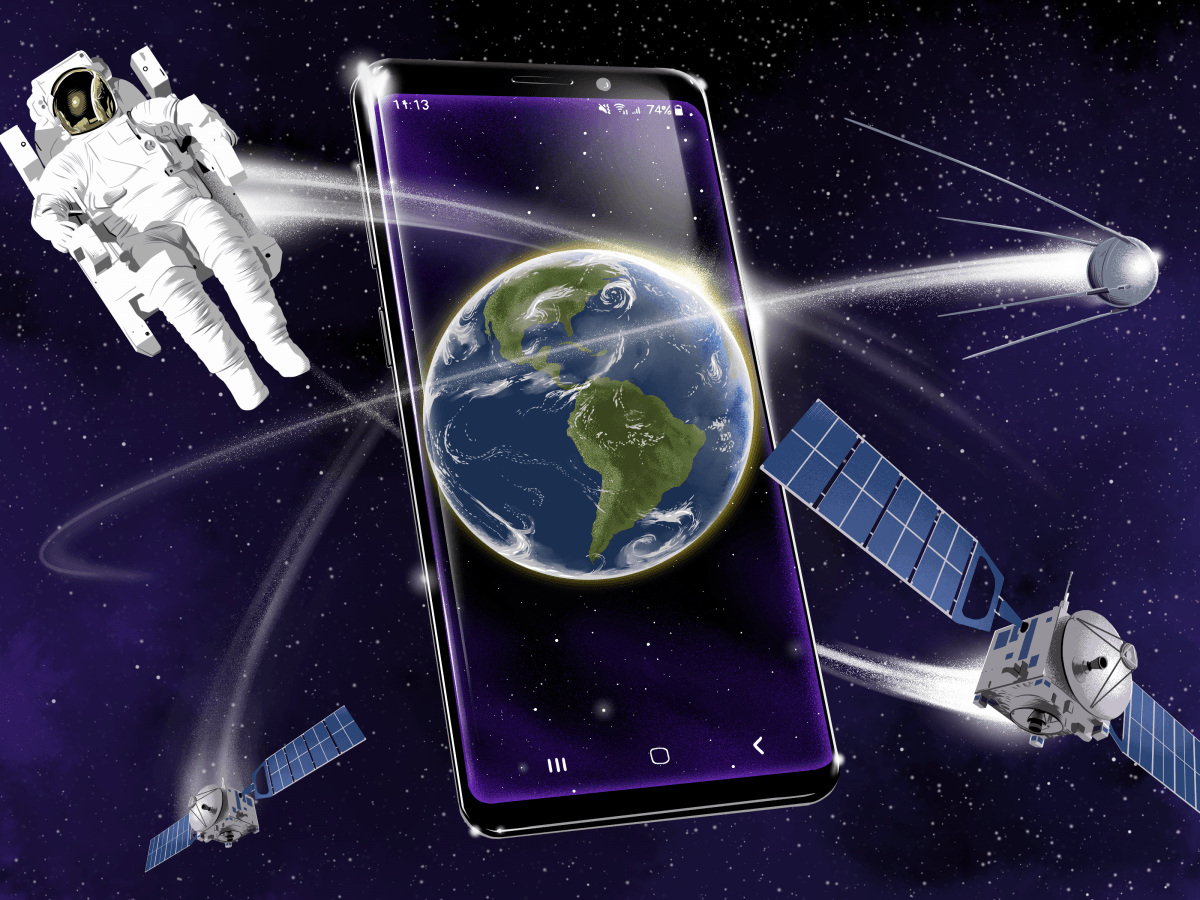
(img=aduploads/image1_68c40b8bb40b5.png)Commercial space companies revolutionize global communication(/img) through advanced satellite networks that provide internet access and connectivity to underserved regions worldwide. (b)(link=https://jobserver.ai/company?id=38)Tesla(/link)(/b) manufactures satellites and space systems while providing aerospace engineering expertise for commercial and government space missions that advance satellite technology and space exploration. (b)Airbus(/b) develops satellite systems and space technology while building commercial satellite constellations that provide earth observation and communication services for global markets. (b)Lockheed Martin(/b) creates advanced space systems while developing satellite technology and space exploration capabilities that serve both commercial and defense applications.
These aerospace companies demonstrate how traditional aviation manufacturers expand into space technology while building commercial satellite capabilities and space exploration systems.
(h2)Earth Observation and Data Services(/h2)
(h3)Commercial Satellite Imaging and Analytics(/h3)
Airbus operates commercial earth observation satellites while providing high-resolution imagery and analytics for agriculture, urban planning, and environmental monitoring applications.
Satellite imagery creates valuable data while enabling precision agriculture, disaster response, and environmental monitoring through high-resolution images and advanced analytics capabilities.
(h3)Climate Monitoring and Environmental Applications(/h3)
(link=https://jobserver.ai/company?id=99)Space companies(/link) provide climate monitoring services while tracking environmental changes and supporting climate research through satellite data that measures atmospheric and surface conditions.
Environmental monitoring supports climate science while providing essential data for policy decisions and climate adaptation planning through continuous satellite observation capabilities.
(hrr)
(h2)Space Manufacturing and Orbital Facilities(/h2)
(h3)Microgravity Manufacturing and Research(/h3)
Boeing develops space-based manufacturing capabilities while exploring microgravity production of advanced materials and pharmaceutical products that benefit from zero-gravity conditions.
Space manufacturing creates unique opportunities while enabling production of materials and products that cannot be created on Earth through microgravity conditions and controlled environments.
(h3)Orbital Laboratory and Research Platforms(/h3)
Commercial space stations provide research platforms while enabling scientific experiments and technology development in microgravity environments that advance materials science and biotechnology.
Orbital research expands scientific capabilities while providing access to unique experimental conditions that enable breakthrough research in materials science and life sciences.
(h2)Launch Services and Space Transportation(/h2)
(h3)Reusable Rocket Technology and Cost Reduction(/h3)
Lockheed Martin develops reusable launch systems while reducing space access costs through innovative rocket technology that enables more frequent and affordable space missions.
#LaunchInnovation reduces costs while enabling more frequent space access through reusable systems that dramatically lower the cost of satellite deployment and space exploration.
(h3)Small Satellite Deployment and Constellation Services(/h3)
Space companies provide small satellite launch services while enabling constellation deployment for communication, earth observation, and scientific applications through dedicated launch vehicles.
Small satellite deployment creates market opportunities while enabling new space applications through cost-effective launch services that support constellation development and space democratization.
(h2)Space Tourism and Commercial Human Spaceflight(/h2)
(h3)Suborbital Tourism and Experience Development(/h3)
Aerospace companies explore space tourism while developing suborbital flight capabilities that provide civilians with space experiences and advance human spaceflight technology.
Space tourism creates new markets while advancing human spaceflight capabilities through commercial applications that support technology development and space accessibility.
(h3)Commercial Crew Transportation and Orbital Facilities(/h3)
Boeing participates in commercial crew programs while providing human transportation to space stations and developing capabilities for commercial space travel and orbital operations.
Commercial crew services enable space access while providing transportation capabilities that support both government missions and commercial space operations through human spaceflight.
(h2)Space Resource Utilization and Mining(/h2)
(h3)Asteroid Mining Technology and Resource Extraction(/h3)
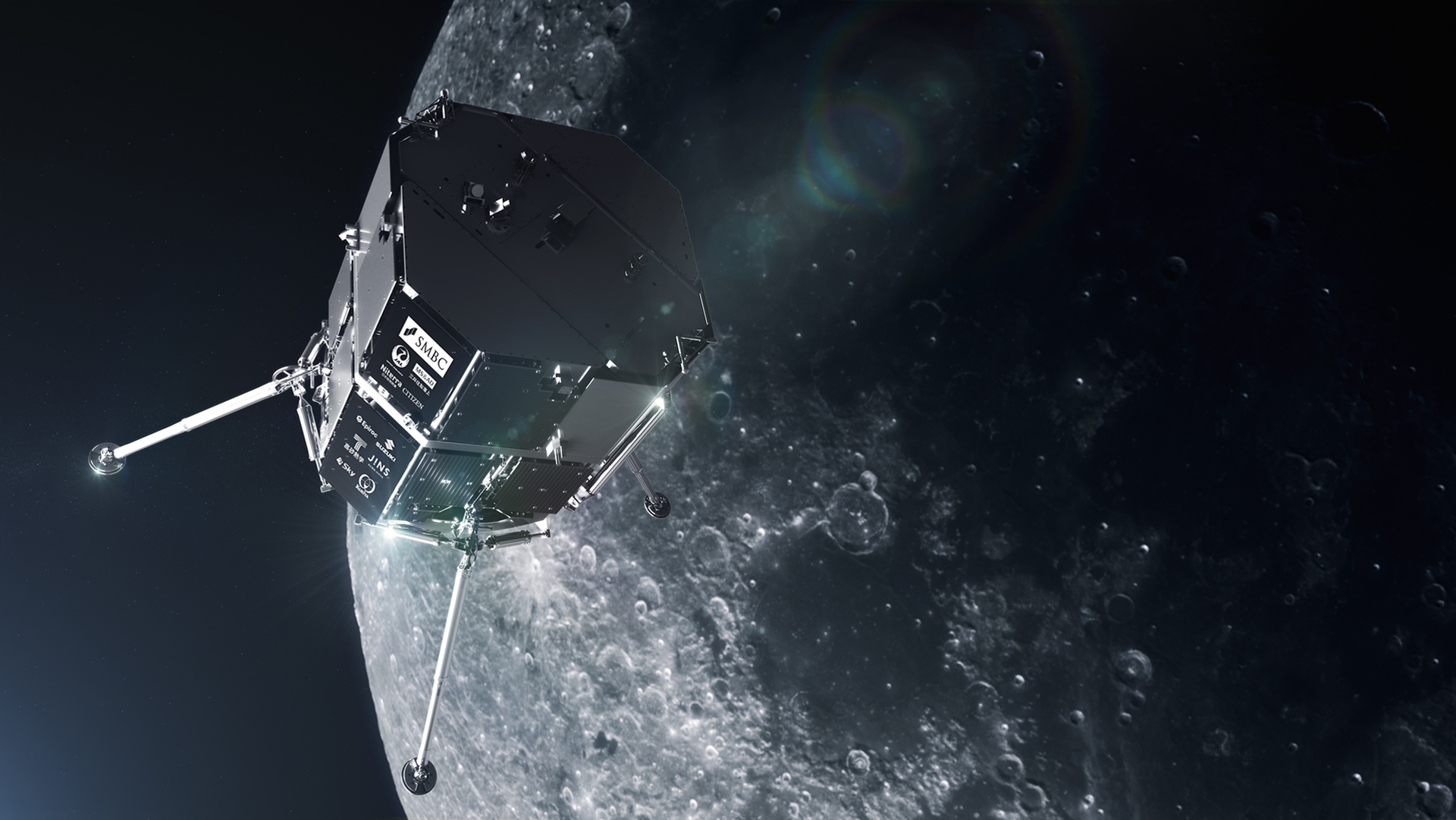
(img=aduploads/image2_68c40b8bb71c8.jpeg)Space companies develop asteroid mining capabilities(/img) while exploring resource extraction technologies that could provide rare materials and support space exploration sustainability.
Space mining represents future opportunities while providing access to rare materials and supporting sustainable space exploration through resource utilization beyond Earth.
(h3)Lunar Base Development and Surface Operations(/h3)
Lockheed Martin develops lunar technology while building capabilities for moon base construction and operations that support both scientific research and commercial activities.
Lunar development creates opportunities while establishing infrastructure that supports sustained human presence and commercial activities on the moon through advanced technology systems.
(h2)Satellite Technology and Services Integration(/h2)
(h3)Internet of Things and Global Connectivity(/h3)
Airbus develops IoT satellite services while providing global connectivity for remote monitoring, tracking, and communication applications that serve industries worldwide.
Satellite IoT enables global connectivity while providing communication capabilities for remote areas and mobile applications that require reliable data transmission and monitoring.
(h3)Navigation and Positioning Services(/h3)
Commercial satellite navigation services provide precise positioning while supporting applications including autonomous vehicles, precision agriculture, and logistics optimization through accurate location data.
#SatelliteNavigation enables precise positioning while supporting autonomous systems and precision applications that require accurate location data for safe and efficient operations.
(h2)Defense and Security Applications(/h2)
(h3)National Security and Defense Satellite Systems(/h3)
Aerospace companies provide defense satellite capabilities while supporting national security applications including surveillance, communication, and intelligence gathering through advanced space systems.
Defense applications drive innovation while providing funding and technology development that advances commercial space capabilities through government investment and requirements.
(h3)Space Situational Awareness and Debris Monitoring(/h3)
Boeing develops space monitoring systems while tracking orbital debris and spacecraft to ensure space safety and prevent collisions that could damage satellites and space missions.
Space safety ensures sustainable operations while protecting valuable satellite assets through monitoring systems that track space objects and prevent collisions.
(h2)International Cooperation and Standards Development(/h2)
(h3)Global Partnership and Technology Sharing(/h3)
Space companies participate in international partnerships while developing shared standards and cooperative missions that advance space technology and scientific understanding.
International cooperation accelerates development while sharing costs and risks through collaborative missions that combine expertise and resources from multiple countries.
(h3)Regulatory Framework and Space Governance(/h3)
Aerospace companies work with regulators while developing frameworks for commercial space activities that ensure safety while enabling innovation and market development.
Space governance enables commercial development while ensuring safety and preventing conflicts through regulatory frameworks that support sustainable space commercialization.
(h2)Technology Transfer and Terrestrial Applications(/h2)
(h3)Space Technology Spin-offs and Commercial Applications(/h3)
Lockheed Martin transfers space technology while developing terrestrial applications for materials, sensors, and systems originally developed for space missions.
Technology transfer creates value while providing commercial applications for space-developed technologies that benefit industries including healthcare, transportation, and communications.
(h3)Advanced Materials and Manufacturing Processes(/h3)
Space technology development creates advanced materials while developing manufacturing processes that have applications in aerospace, automotive, and other industries.
Advanced materials benefit multiple industries while creating commercial value from space research and development that advances manufacturing capabilities and product performance.
(h2)Investment and Market Development(/h2)
(h3)Private Investment and Venture Capital(/h3)
Space commercialization attracts significant investment while creating new markets and business opportunities that support technology development and space industry growth.
Investment capital enables innovation while supporting space industry development through funding that advances technology and creates commercial space capabilities.
(h3)Public-Private Partnerships and Government Contracts(/h3)
Aerospace companies balance commercial and government work while leveraging public investment to develop capabilities that serve both markets and advance space technology.
Public-private partnerships enable development while sharing risks and benefits through collaborative arrangements that advance space technology and create commercial opportunities.
(h2)Future Space Economy Trends(/h2)
(h3)Space-Based Solar Power and Energy Systems(/h3)
Space companies explore solar power satellites while developing technology that could provide clean energy to Earth through space-based power generation and wireless transmission.
Space power represents future opportunities while providing clean energy solutions through space-based systems that could address global energy needs through renewable space resources.
(h3)Interplanetary Commerce and Deep Space Exploration(/h3)
Long-term space commercialization includes interplanetary missions while developing capabilities for Mars exploration and deep space commerce that extend human presence beyond Earth.
#SpaceCommerce expansion creates opportunities while advancing human space exploration through commercial activities that support sustainable presence throughout the solar system.
(hrr)
(i)(link=https://www.globaltimes.cn/page/202502/1328534.shtml)Space technology commercialization(/link) transforms global industries through satellite services, advanced manufacturing, and space exploration while creating new markets and opportunities that extend human capabilities beyond Earth.(/i)


Category:
Products
Region:
Europe
Author:
blog@Jobserver.ai
Ad link: