

How to start an Amazon FBA Business in 5 Easy Steps: a beginner's Guide





Ad Spot Availabe




(hr)
It is an undeniable fact that over the past years, (b)(link=https://jobserver.ai/company?id=26)Amazon(/link)(/b) has developed into one of the world's largest marketplaces, offering millions of people a place to shop for almost everything they need in the world. While this is of great advantage to customers and those seeking a variety of products, the platform also offers entrepreneurs an opportunity to start a unique business. With an enormous customer base at hand, sellers can start an online business with very little and start making money on Amazon.
One of the most effective ways to sell on the Amazon platform is through FBA or what is called Fulfilment by Amazon. Within this program, sellers only need to ship their product to Amazon for fulfilment, and Amazon then takes care of storage, packaging, shipping, customer service, and even returns. This makes it much easier for owners to focus on choosing the right product, managing the brand, and even scaling their sales.
While the process of getting started might seem overwhelming at first, it becomes much clearer if it's broken down into simpler and manageable steps. If you're thinking about launching your own Amazon FBA business, then this post will provide a detailed breakdown on how to start your journey with Amazon FBA in 5 easy steps.
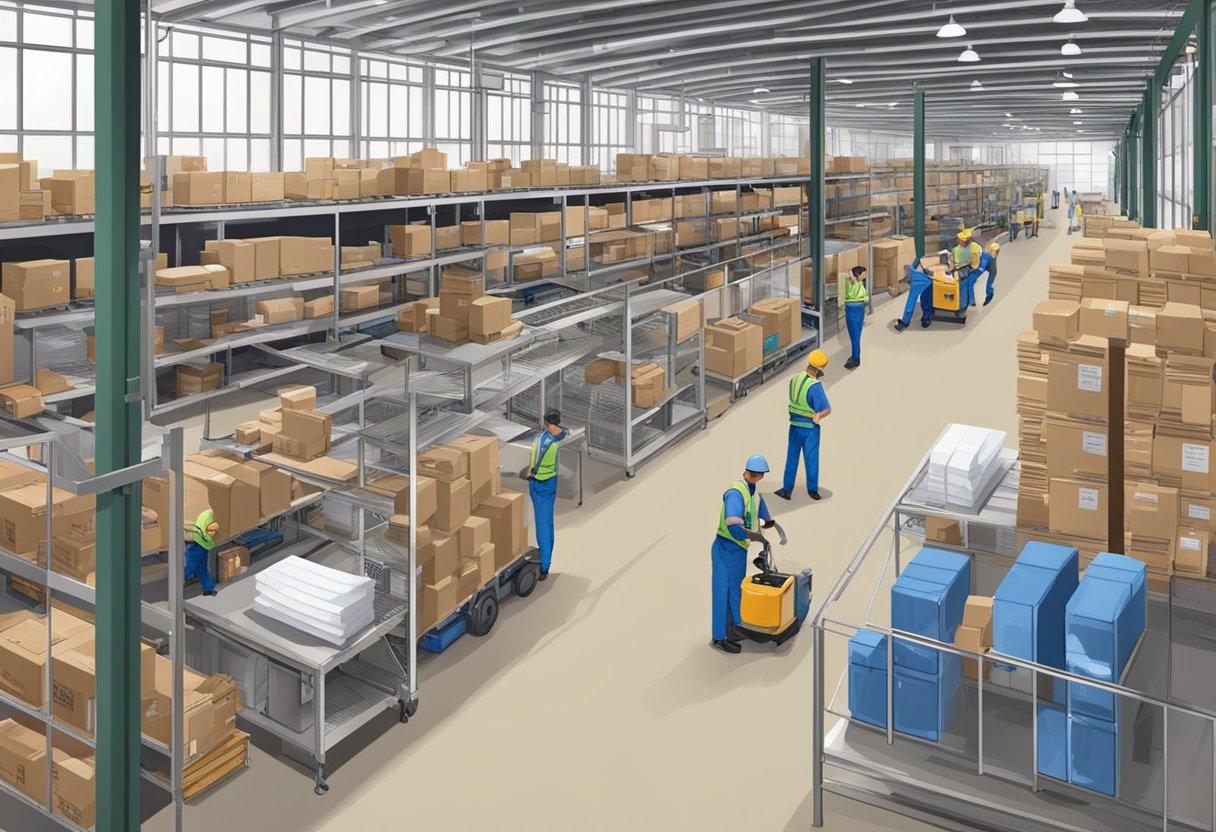
(img=aduploads/image/fba 1.jpg)Amazon FBA gives sellers a unique selling opportunity(/img)
(hr)
(h2)Niche Research(/h2)
One of the most common mistakes that every beginner needs to avoid when starting an (b)(link=https://jobserver.ai/company?id=26)Amazon(/link)(/b) FBA business is entering the market blind. By entering the market blind, we mean starting the business without proper niche research. And while this might sound cliché, the success of every Amazon FBA business very much dwells on proper research of the niche and picking the very best fit.
When conducting niche research, there are some key factors to look out for, and one of them is striking a balance between healthy demand and manageable competition. This is because picking a product in a crowded space with many established sellers may make it very difficult to stand out. On the other hand, choosing something with very little demand will make it nearly impossible to generate consistent sales.
One way of getting around this barrier is to avoid using Amazon’s best seller and trending categories to spot opportunities, as it provides a very shallow view. Instead, much of the focus should be on finding niches where products solve a specific problem or offer a clear benefit to customers. In addition, you should also factor the size and weight of your product into your niche research. The logic in this is that lightweight items are generally cheaper to store and ship, which helps you keep costs under control as a beginner.
(hr)
(h2)Sourcing Products(/h2)
Once you have successfully chosen a niche that'll be profitable for your FBA business, the next step is to find a reliable supplier for your products. Now this is quite a tricky part. Although new sellers oftentimes resort to companies listed on platforms such as Alibaba for bulk purchases, it is always important to remember that before committing to a large order, it is essential to request samples from potential suppliers. This obviously gives you the chance to check the quality of the product firsthand and also ensure that it matches the expectations of your potential customers.
Only after this is done and you are satisfied with the quality of the product should you go ahead to negotiate the terms with your supplier regarding the pricing, order quantity, and the production timelines. This is also the stage where you have to consider making some logistics decisions.
For example, while some sellers prefer to have their goods shipped directly to Amazon's fulfilment centres to save time and storage costs, others also prefer to have their product shipped to their homes or warehouses for inspection first before sending them to Amazon. In fact, there is no clear winner when it comes to the aforementioned methods, but the key is to make sure that your supply chain is quite dependable to avoid any delays or quality issues that can harm your reputation with your customers.
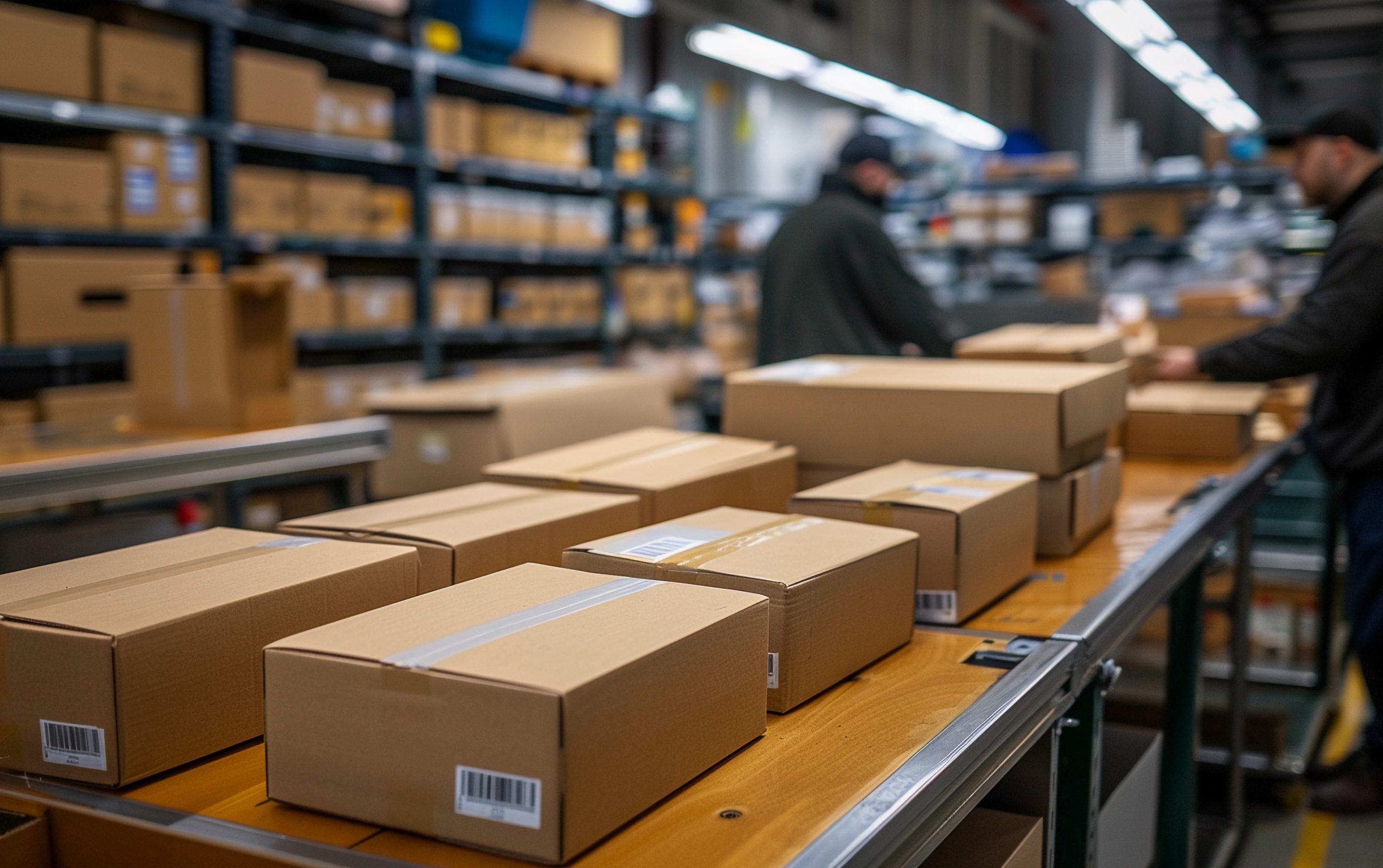
(img=aduploads/image/fba 2.jpg)Sourcing products in the best way is crucial in Amazon FBA(/img)
(hr)
(h2)Set up Your Account(/h2)
Once you have your products sourced, you can go ahead and (b)(link=https://sell.amazon.com/fulfillment-by-amazon)create an Amazon FBA account(/link)(/b) which will be used on a daily basis to run the store. Setting up the account is quite straightforward and needs very little detail, such as providing business details, tax information, and banking information to receive payments. Once the account is set up and live, you can now access your Seller Central dashboard which gives access to listing products, tracking orders, managing inventory, and monitoring sales performance.
An important point to note is that while setting up an account, sellers can choose either an individual or professional Amazon seller account, with each having their own benefits and drawbacks. For example, an individual account does not carry a monthly fee but charges a per-item selling fee, while on the other hand, a professional account requires a subscription fee but reduces the transaction charges and unlocks other advanced tools such as analytics, advertising, and bulk listing. Based on this, it is always advisable to start building a business with a professional plan on Amazon FBA.
(hr)
(h2)List and Optimize Products(/h2)
During the listing and optimization stage, one of the factors to consider is presentation. This is because your listing is often the first impression customers have of your product. Essentially, a well-optimized listing increases your chances of ranking higher in Amazon search results and convincing buyers to choose your product over competitors.
In order to achieve the aforementioned, you should always have a product title that clearly describes what you are selling, and a description that explains its benefits in a way that resonates with buyers. It is also important to always use high-quality images as they allow customers to visualize the product and build trust in its quality.
(hr)
(h2)Launch and Market Your Product(/h2)
The last but perhaps most important stage is generating traffic and building sales momentum, and there are basically two ways to approach this. The first approach is to rely on Amazon’s organic promotion, which rewards listings with high sales velocity and positive reviews by ranking them higher in search results. While this approach is great, it is not ideal for beginners as it might take a while for the algorithm to pick things up. Instead, it will be helpful in the early stages to run Amazon Pay-Per-Click (PPC) campaigns to give your product visibility.
However, in the long term, you can build momentum by offering discounts or promotions to encourage buyers. This will result in a significant boost in the credibility of your listing and strengthening of your reputation, especially through customer reviews.
(hr)


Category:
Announcement
Region:
North America
Author:
blog@Jobserver.ai
Ad link: